


Dandelion may have a bad reputation, but it is not just a pesky garden weed. From chai tea to salad to herbal medicine, dandelion is one of the most versatile plants you can forage.
Apple trees are one of the most rewarding fruit trees to grow in a home garden. They also attract a wide range of pests and diseases. Knowing what to watch for, and how to respond early, makes a big difference.
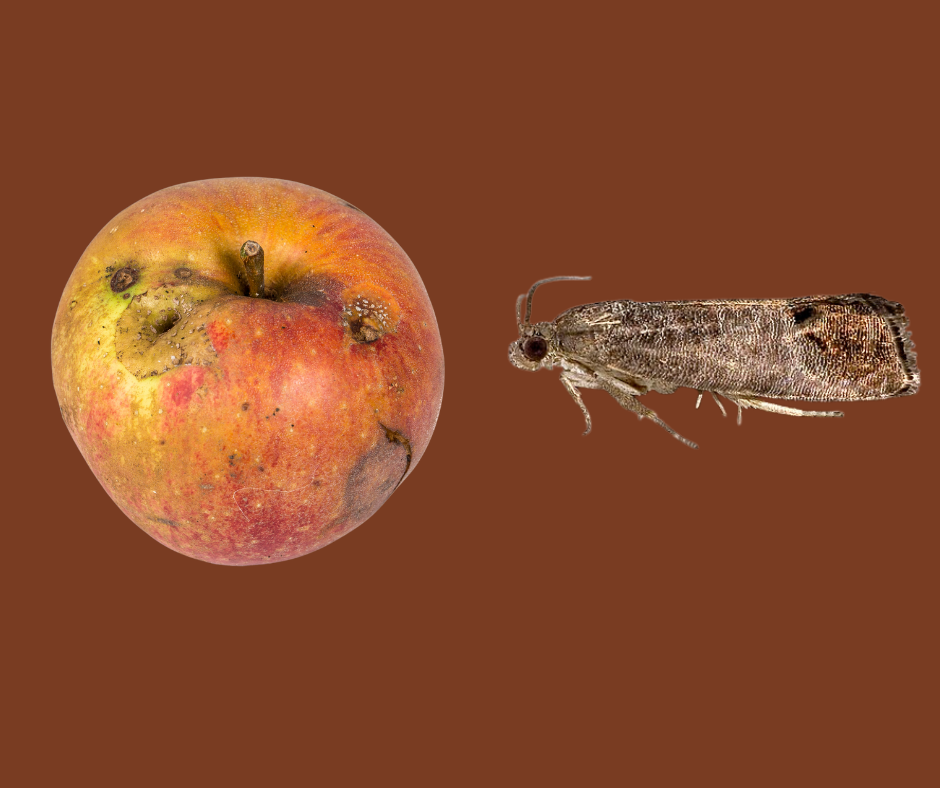
I have been told by many farmers and that you cant raise apples organically. That is simply not true. In this article I am teaching about three apple pests, codling moth, apple maggot, and gypsy moth, and two fungal diseases, powdery mildew and apple scab. And how to prevent and control them.
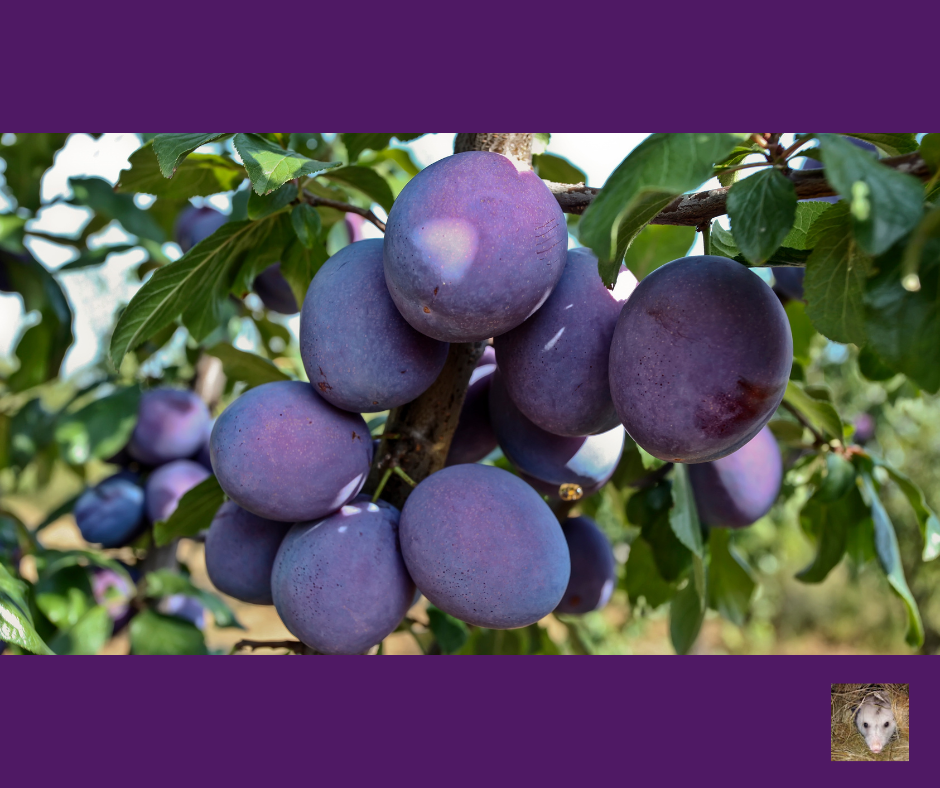
If you grow apples, peaches, or plums in the eastern United States, you will likely deal with plum curculio at some point. The plum curculio (Conotrachelus nenuphar) is a native snout beetle that attacks tree fruit. It is small, but it can ruin a crop quickly if ignored.
As organic growers, we do not panic. We learn the life cycle and interrupt it at the right time. That is the key.
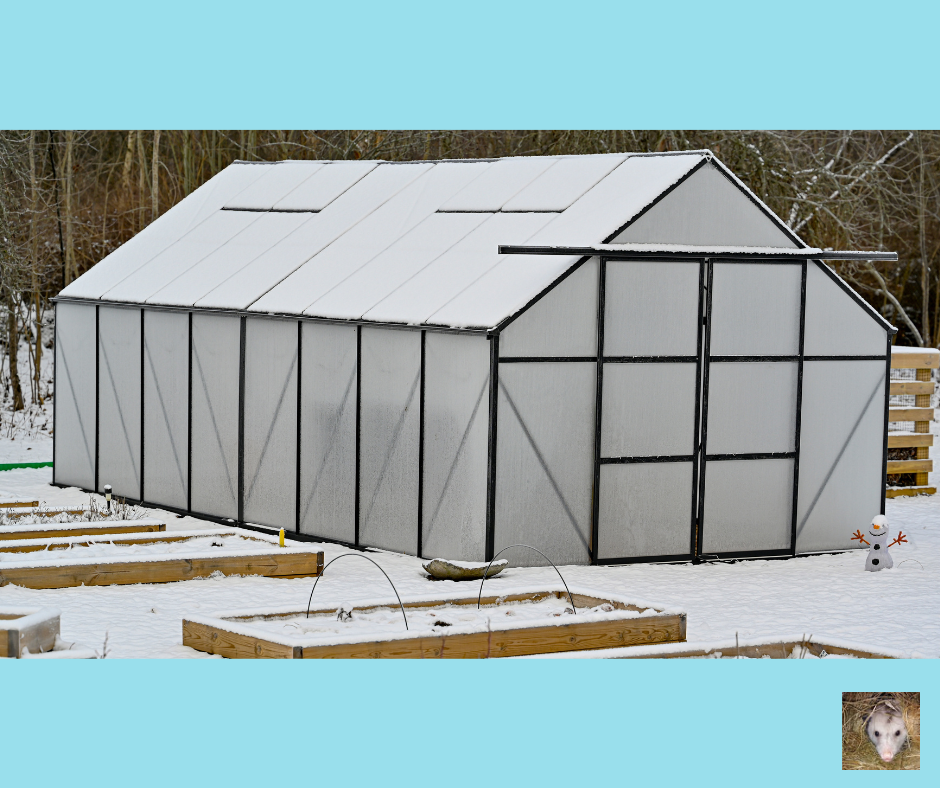
In the winter I crave fresh vegetables. My gardening goal is to extend my harvest as far as I can to provide food for my family all year. Today we are talking about hardy vegetables that are powerhouses in cold weather. Not only do these plants tolerate cold they are easy to grow and will thrive in many soil types.
Living in an apartment has taught me many new ways to grow vegetables and fruits indoors. I have discovered that gardening is not limited to a plot of soil.
For many people living in an urban apartment or condominium means they can’t garden in the traditional sense. When I left rural Kentucky for urban Wisconsin, I was very anxious that it meant the end of my ability to have food security. Not to mention that I just loved getting my hands dirty and playing in the dirt.